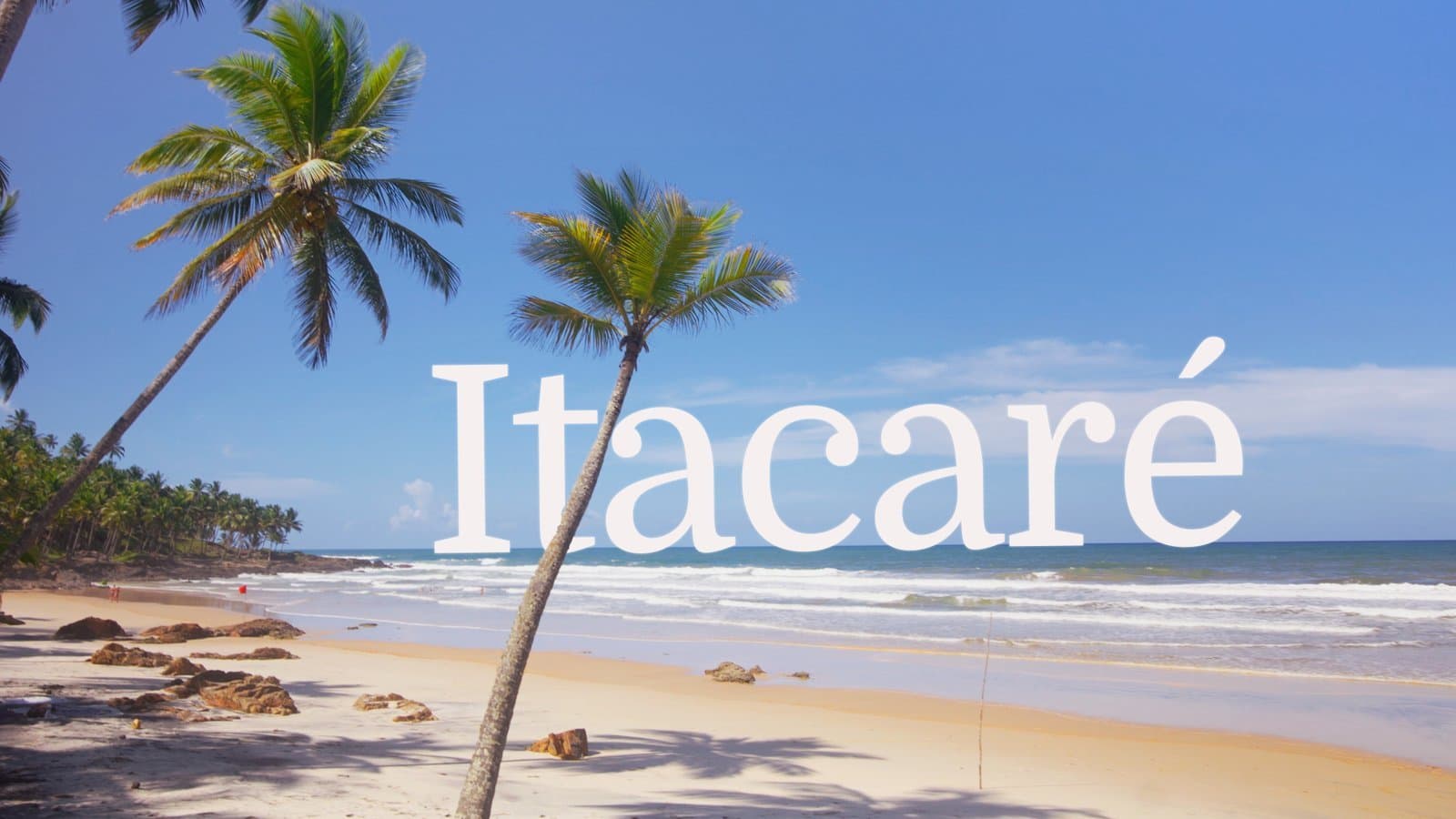
Itacaré made my top 3 in southern Bahia: surfers, artists, plenty of samba, and beach-to-beach trails all the way to Jeribucaçu.
Today I'm sharing with you our experience in Itacaré. Seriously, this place is magical and made it into my top 3 best towns in the South of Bahia, competing with Cumuruxatiba and Arraial D’Ajuda. If you're unsure whether to add Itacaré to your list of places to visit in the South of Bahia, I'll tell you right away: don't hesitate. Itacaré is amazing, especially if you're looking for a place with lots of artists, surfers, samba, reggae, yoga and of course, plenty of paradise beaches and trails in the middle of nature.
It's a place that gets lots of tourists, but where a lot of people also live. A beach town that kept its essence.
Watch the full content
Info
- Where it is: South of Bahia, about 75 km (1h30 by car) from Ilhéus, which has the Jorge Amado airport.
- From Salvador or Porto Seguro: 5 to 6 hours on the road.
- Rainiest months: March and April.
- Least rainy months: August, September and October.
- High season: December through Carnival, and every long holiday weekend.
- Rai Luc campsite: R$ 60 a night, right next to Praia da Costa.
- Residencial Lucernare: we paid R$ 1.800 for 15 days in the penthouse, in the little town center.
- Praia de Jeribucaçu: 15 km from the center, 20 minutes by car plus 20 minutes on an easy trail.
Where it is
Location and Access
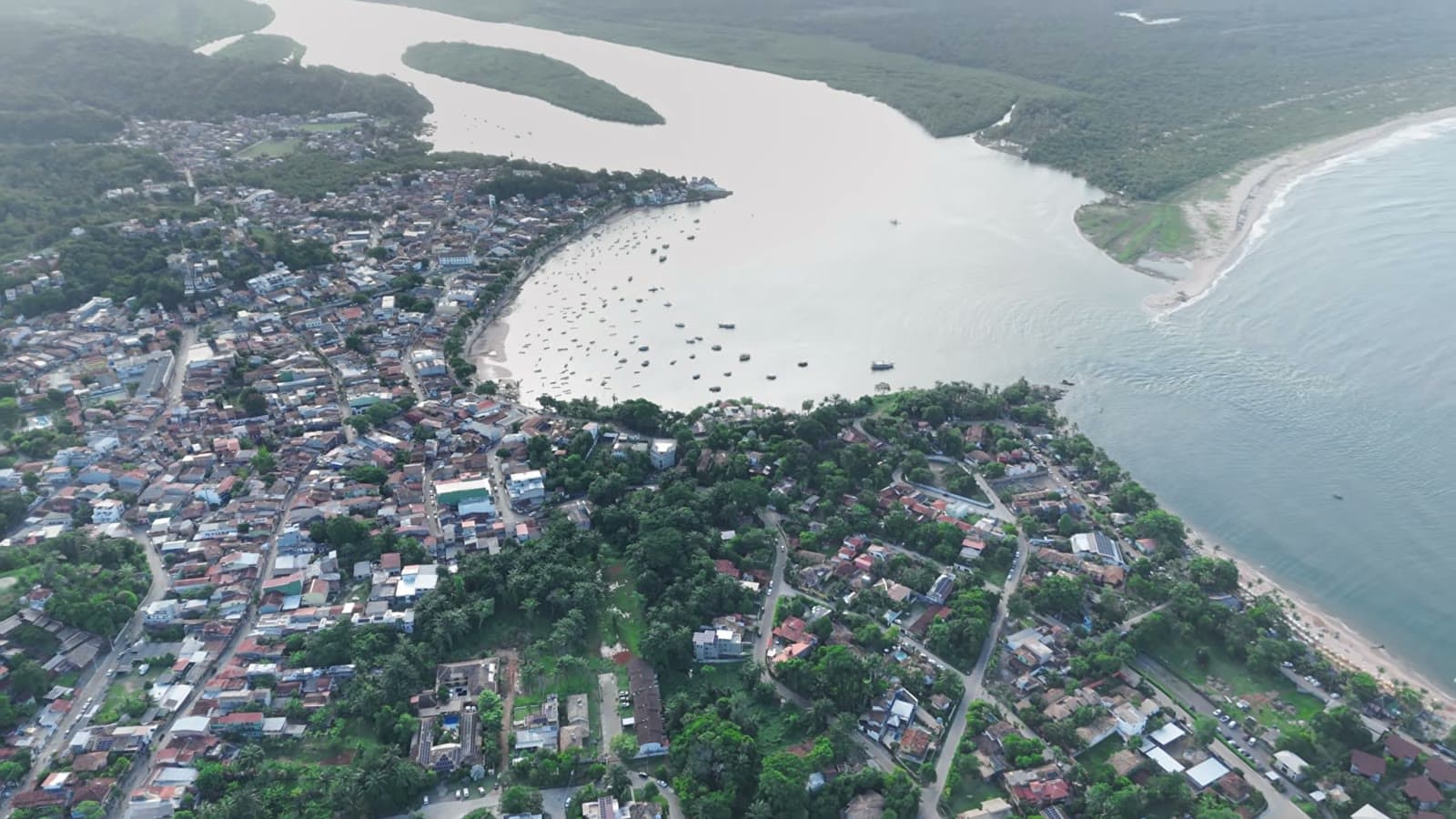
The closest big city to Itacaré is Ilhéus, which has the Jorge Amado airport, 1h30 away by car (about 75km). Itacaré sits more or less halfway between Salvador, to the north, and Porto Seguro, in the south of Bahia. If you're coming from either of those places, it's a long trip, 5 to 6 hours on the road, but it's worth every cent of fuel.
Pick the best time to visit Itacaré
Itacaré is worth visiting at any time of the year, but it pays to keep an eye on the yearly calendar to pick the months with less rain. If you can avoid March and April, I think that's enough.
- Rainiest months: March and April.
- Least rainy months: August, September and October.
- High season: December through Carnival, and every long holiday weekend.
Showing up without a booking
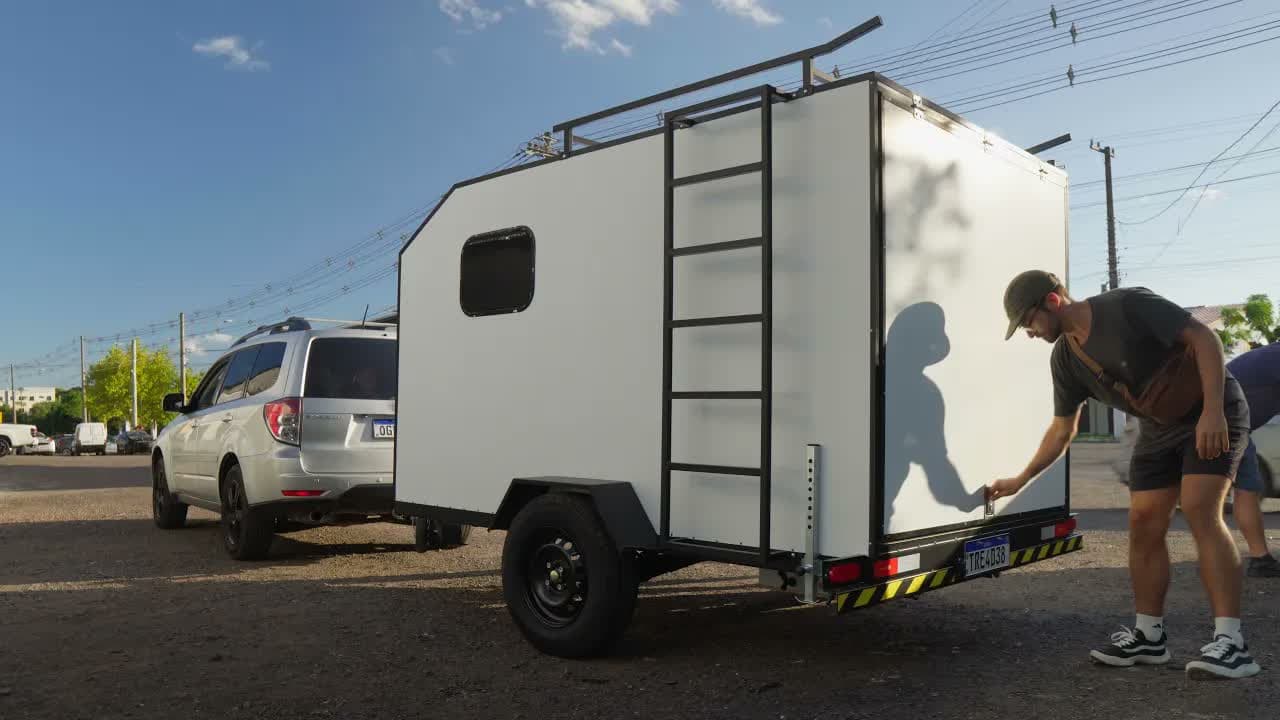
Nina and I left Porto Seguro without booking anywhere to stay, totally winging it, haha. For anyone who's never done this, it's an experience I recommend. It can go badly, sure, but it can be great. It's something you should do at least once in your life. Since we have the car set up for camping, you get these fun butterflies in your stomach, and I think you feel a bit more alive with the surprise of what you'll find.
The main tip: if you're heading somewhere with nowhere to stay, get there early. With plenty of day and daylight ahead, you have time to check out the guesthouses and campsites and only then decide. We got to Itacaré around 3pm, with the sun still out. In Bahia, it starts getting dark around 5pm, so keep that in mind.
We drove around town for a while looking for a campsite. Itacaré has lots of little one-way streets and isn't a very car-friendly town, which is a good thing: I love towns that work well for people on foot. At one of the campsites they already had a dog, and the owner saw Nina and figured it wasn't a good idea. The first three campsites we visited didn't allow cars in, only tents. Surprisingly, Itacaré has few camping options with parking for cars: most of them are on the tight side, made for the backpacker crowd. We decided to camp in a tent after all, to be closer to a beach. We chose the Rai Luc campsite, right next to Praia da Costa.
Rai Luc campsite
The Rai Luc campsite is beautiful, with lots of nature and several spots to set up camp. The arrival was tiring, especially because I was doing everything on my own. I took a lot of stuff out of the car, like the tent, sleeping pad, chair, dog bed and even the portable fridge. Setting up camp took about an hour. And Nininha, of course, didn't help one bit.
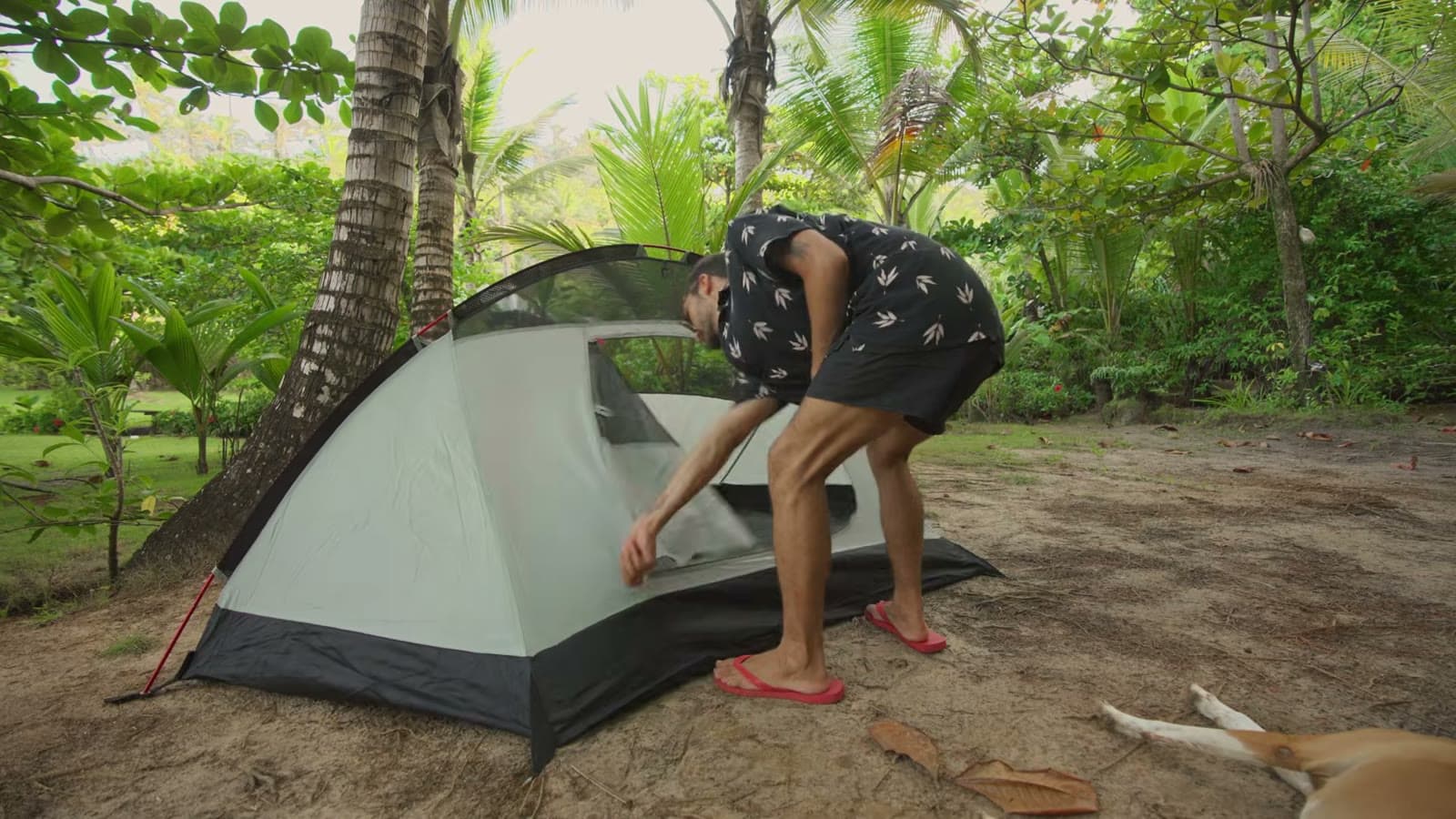
It was the first time, in this first year on the road, that I had to take everything out of the car to camp in a tent. Tent camping is something I've done a lot, and I really love that super close contact with nature: I did a bike trip through Uruguay in 2019 and rode up the Serra Gaúcha in 2021, camping the whole way. But that was the moment I remembered why I converted the car. With the bed, the fridge and everything ready, setting up and packing down is so much more practical.
The Rai Luc campsite is super secluded and has a beautiful view of Praia da Costa. However, the R$ 60,00 nightly rate is a bit expensive: it was the priciest campsite of the whole trip so far. The ground is really steep, and we had to keep going up and down to get to the kitchen and the bathrooms. The kitchen setup is very small and only has one stove and one sink. Luckily, there was almost nobody at the campsite, and I pretty much had the kitchen to myself. I kept imagining what it would be like to cook with more people sharing that space: total chaos. The nature areas are great, with a common area with hammocks and lots of grass for sunbathing, the campsite's strong point.
Pituba at night
In the first few days, we were still getting used to the place and took the chance to explore the little town center at night. The most famous street in town is Pedro Longo, known as Pituba. During the day it's open to cars, but at night it's closed off for pedestrians, making for a pleasant setting for evening strolls. Pituba is packed with little bars, shops, stores and lots of live music.
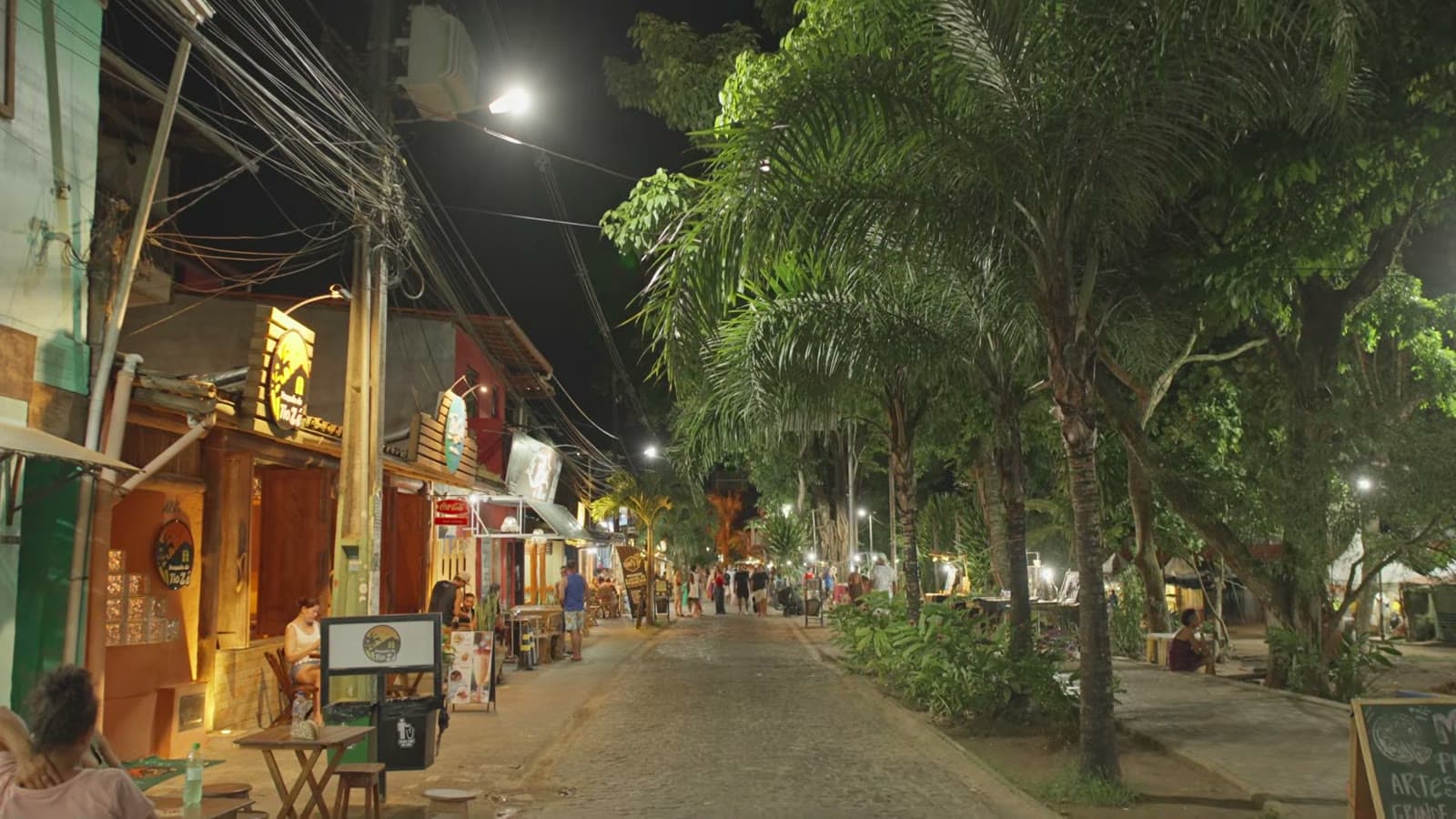
One night, I sat down to listen to an intimate samba session that was amazing. I noticed that Itacaré attracts a young crowd because of its many hostels and foreigners, as well as people from other parts of Bahia and Brazil who chose to live here in search of a more balanced life, close to nature and the sea. I felt some similarities with Arraial d’Ajuda: of all the people I talked to, that was the reason they lived in Itacaré, being close to the sea, to surfing and to yoga.
The beaches
Itacaré is divided into two parts: the urban part, where the little town center and the shops are, and the more “rural” part, where the beaches are. Along the Caminho das Praias street, you can walk to the beaches of Resende, Tiririca, Costa, Ribeira, Siriaco and Prainha, all in a row and all wonderful. You can drive up to somewhere between Praia da Costa and Ribeira; for the rest, it's on foot, hiking the trails.
Praia de Jeribucaçu
During our stay, I met Renner, a solo traveler from Goiás who had been traveling around Brazil for more than two years. He invited me, along with a friend of his, to go see Praia de Jeribucaçu, 15km from the center of Itacaré. It's an area with several natural beaches, reachable only on foot. It was 20 minutes by car and another 20 minutes of walking along an easy trail, a descent through lots of green, until we reached the spot where a river meets the sea.
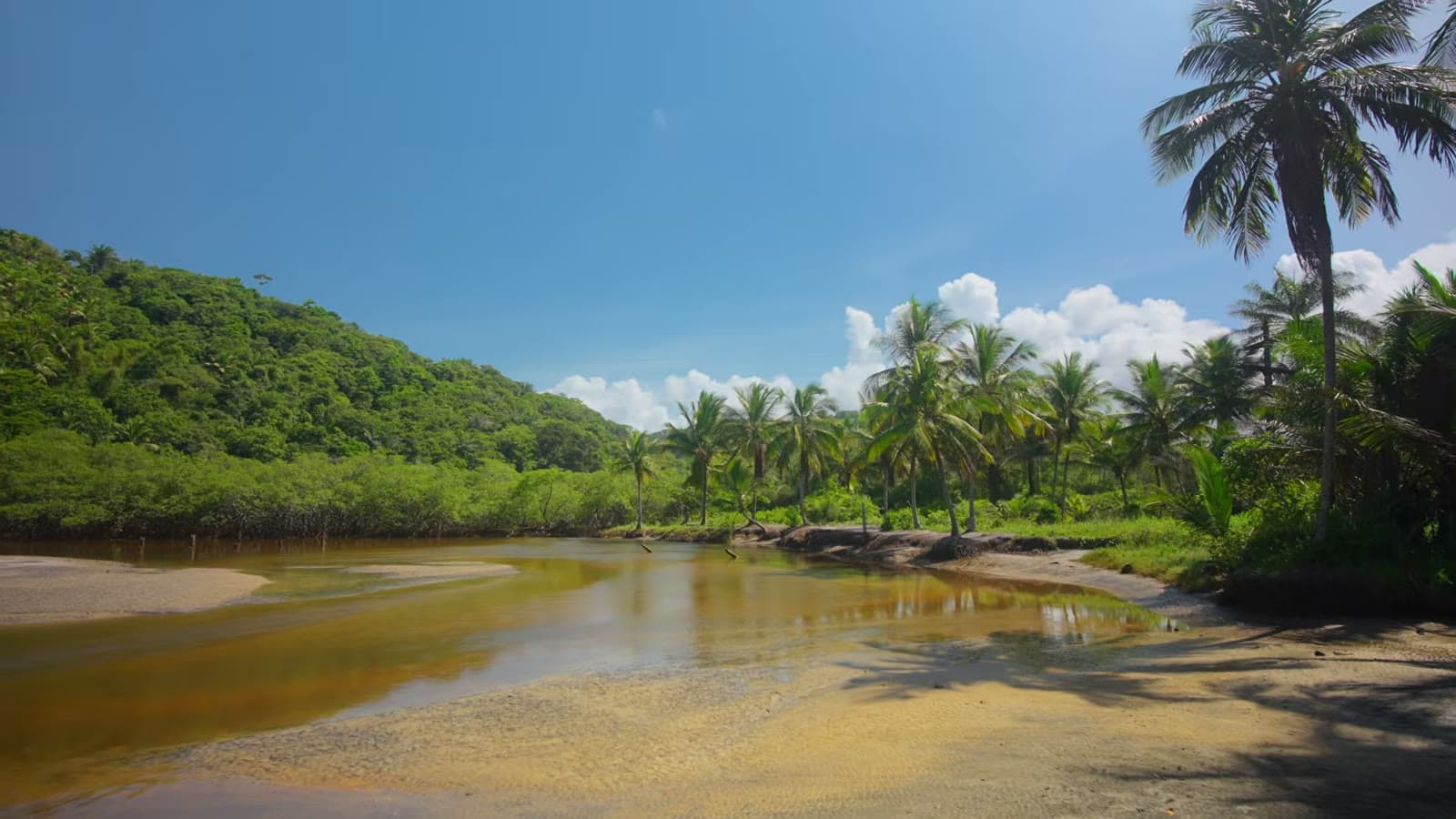
We kept walking along the sand and the edge of the rocks to see Praia dos Corais and Praia da Arruda, each one more beautiful than the last. They're untouched beaches, with no buildings at all, pure nature. That day was surreally beautiful. I recommend this outing!
Three nights of rain and the move
Unfortunately, it rained a lot on the very first night of camping, which was pretty uncomfortable. Rain is always the worst part of camping, and in April it rains practically every day. It poured nonstop for three whole nights. My clothes were already wet, the tent was soaked underneath and the stuff inside started getting damp. I knew it was time to get out of there.
After three nights of rain in a row at the Rai Luc campsite, I decided to look for another place to stay. I turned the internet upside down and found, straight on Google Maps (this tip is gold), an apartment with excellent facilities in the little center of Itacaré, called Residencial Lucernare, owned by Eddie, a super nice surfer who lives in Itacaré with his wife and their two little kids. If I'm not mistaken, he has eight apartments, all brand new, with and without a kitchen.
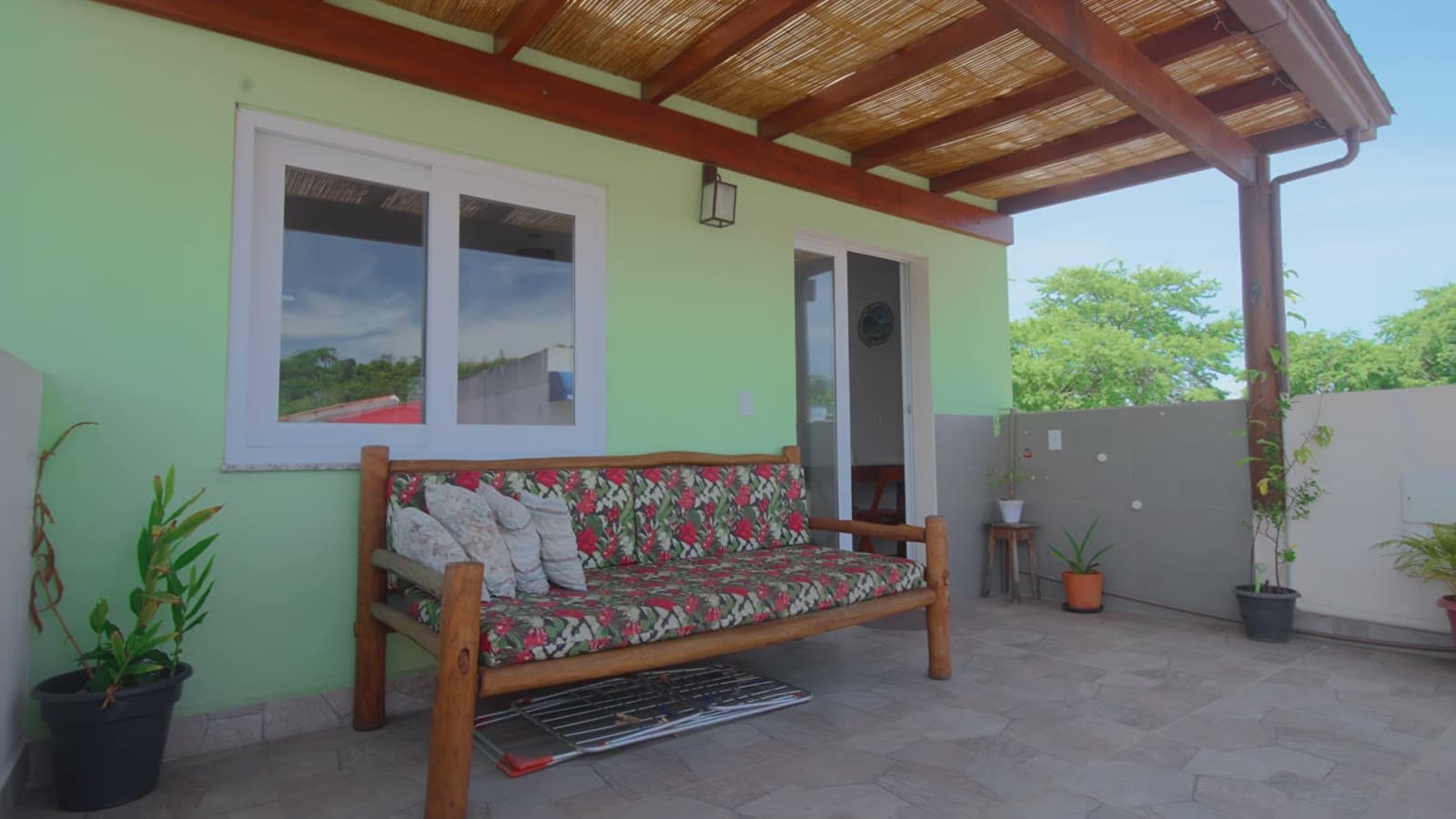
The penthouse we rented for R$ 1.800,00 for 15 days was an excellent investment, giving us the comfort we needed after rough days at the campsite. It was a bit over my budget, since a campsite usually costs around R$ 20 or R$ 30, but at that point Nina and I really needed more comfort and peace. We just stepped out of the building and we were in the little center, and even in the middle of all the buzz, with loud music playing, the double-glazed windows kept everything really quiet at night. Totally worth it, especially if you're traveling as a couple or in a group of three or four.
Praia da Coroa and the historic center
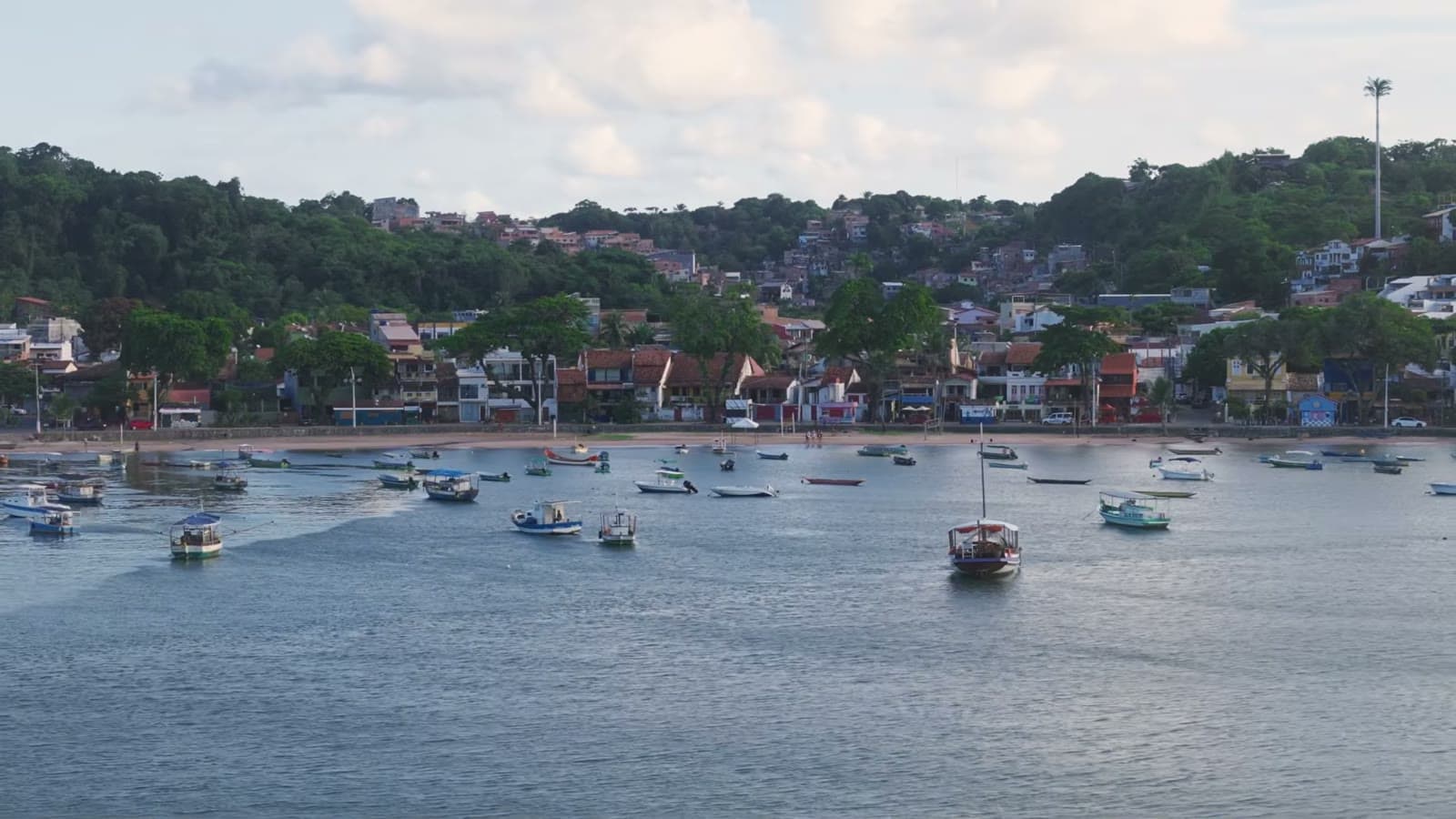
The apartment was 200 meters from Praia da Coroa, a beach frequented by locals and where the fishermen's boats are kept. We walked along the beach every day, which is part of the town's little historic center. Praça São Miguel and the historic buildings are a must, as are the restaurants with fair prices and generous dishes, at the end of the waterfront, past the fishermen's area.
A chat with Devid
That's where I recorded a conversation with Devid, a local I met through Instagram. He's 31, the son of an Indigenous father and a Black mother, considers himself an original Bahian and works as a tour guide. He calls people living books, and says listening is about welcoming, paying attention and caring about what the other person is saying.
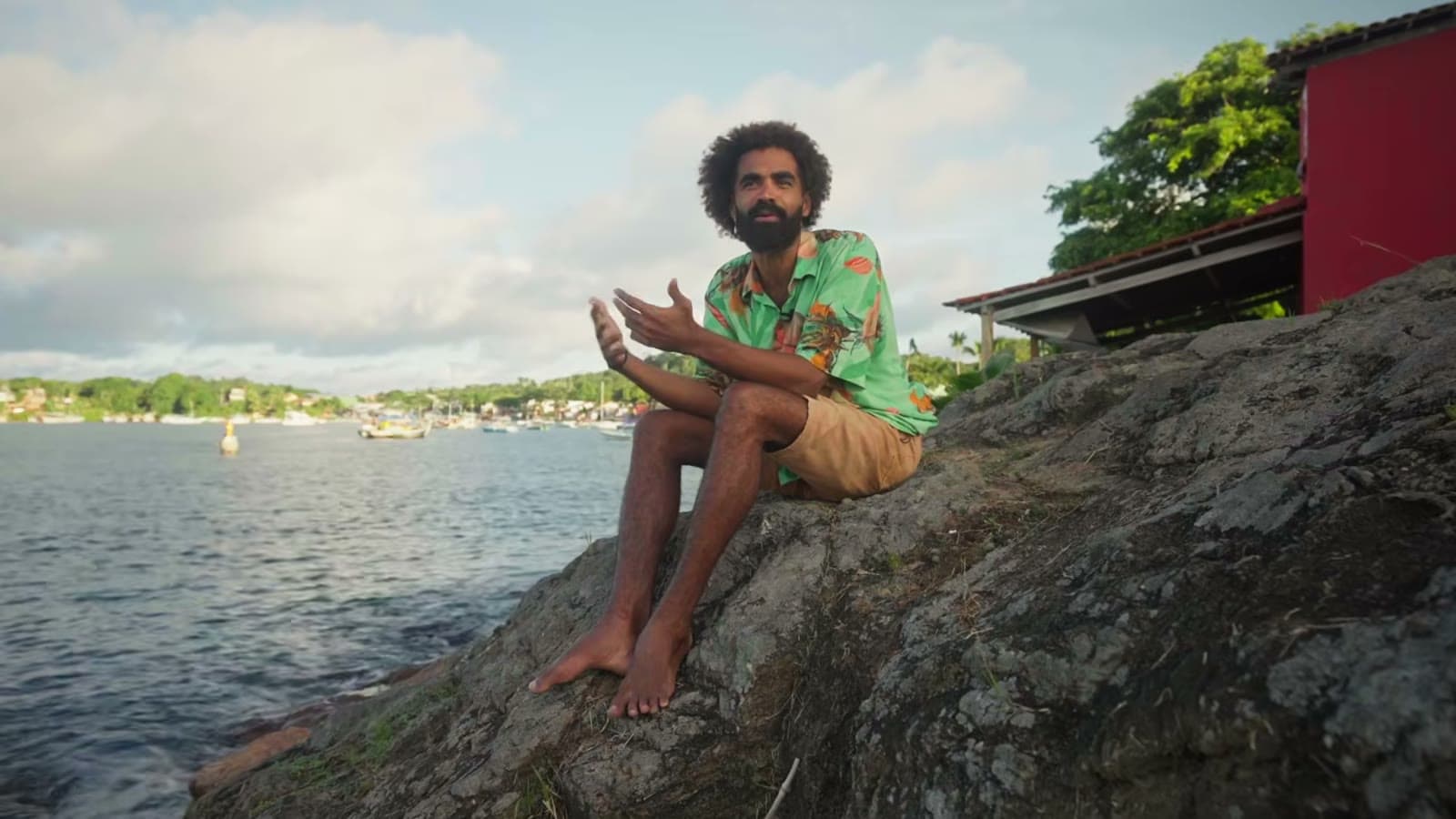
When you stop searching, you find.
Mirante do Xeréu and Praia da Concha
600 meters from the little center, Mirante do Xeréu offers a wonderful sunset, with drink carts, snacks and live music. Every day the weather's good, a lot of people gather there to watch it.
Praia da Concha, the closest beach to the center, is excellent to visit in the morning, with little bars at fair prices and an incredible view of the Farol de Itacaré, one of the oldest lighthouses in Bahia. In the morning the sun hits the whole beach; in the afternoon it hides earlier. It's the beach for when you actually want to be in the water.
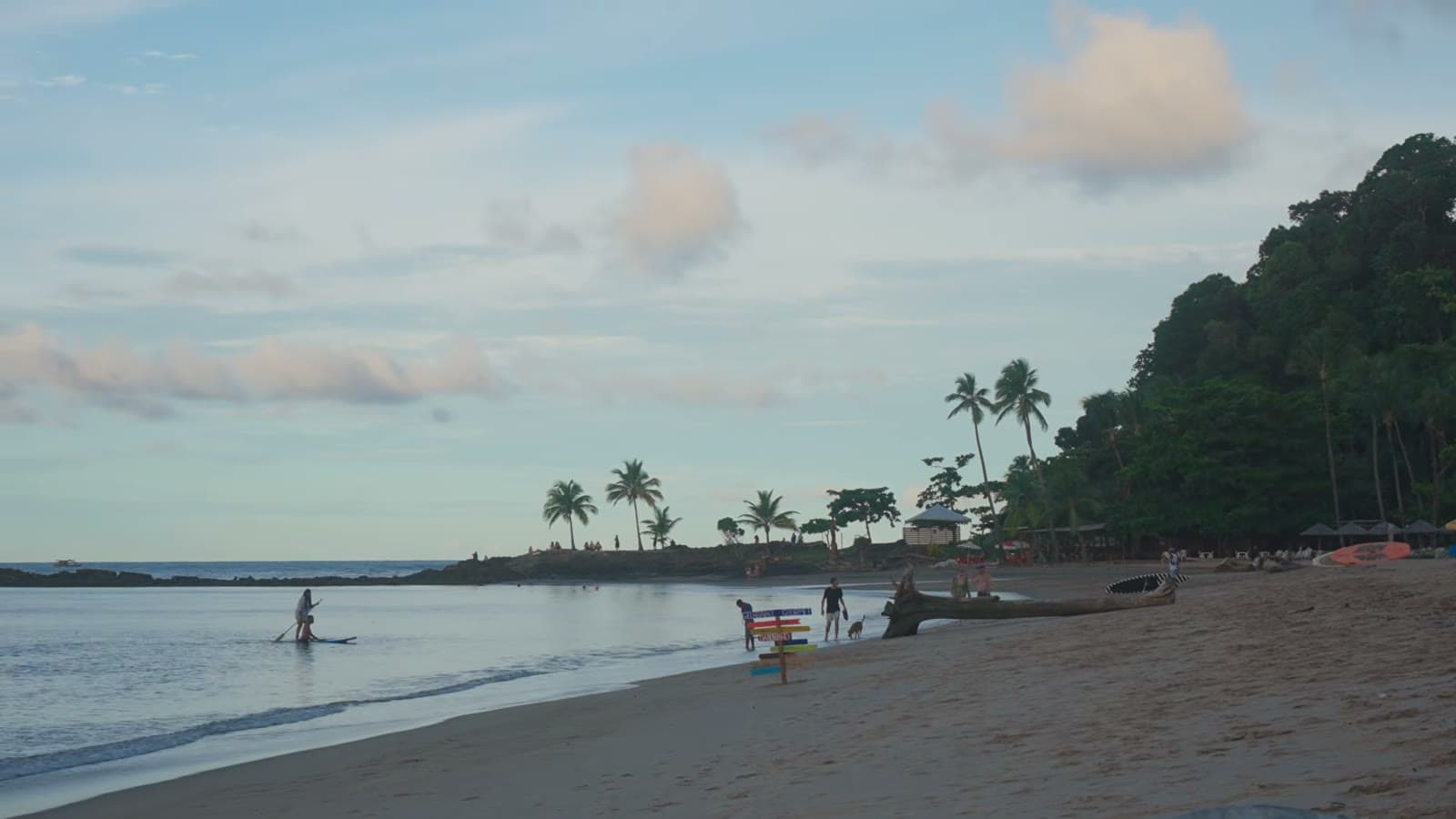
A tip for the little bars there: as a rule, if it has plastic tables and chairs, it'll be cheaper; if it has gorgeous lounge chairs, it'll probably be pricier. And I recommend walking the whole Concha waterfront: at the very end there are lots of rocks, and if you keep going you reach the lighthouse. The view is really cool.
Amanda
That's also where I recorded with Amanda, a woman from Brasília who has been living in Itacaré for a while. She's a teacher by training, grew up in the Center-West, far from the sea, and her dream was to learn to surf. She moved to Itacaré to be closer to surfing and yoga. She told me she was really stressed and worn out when she dreamed of a song about Janaína, and the message came right away: go to Bahia. When she got to Itacaré, she felt at home.
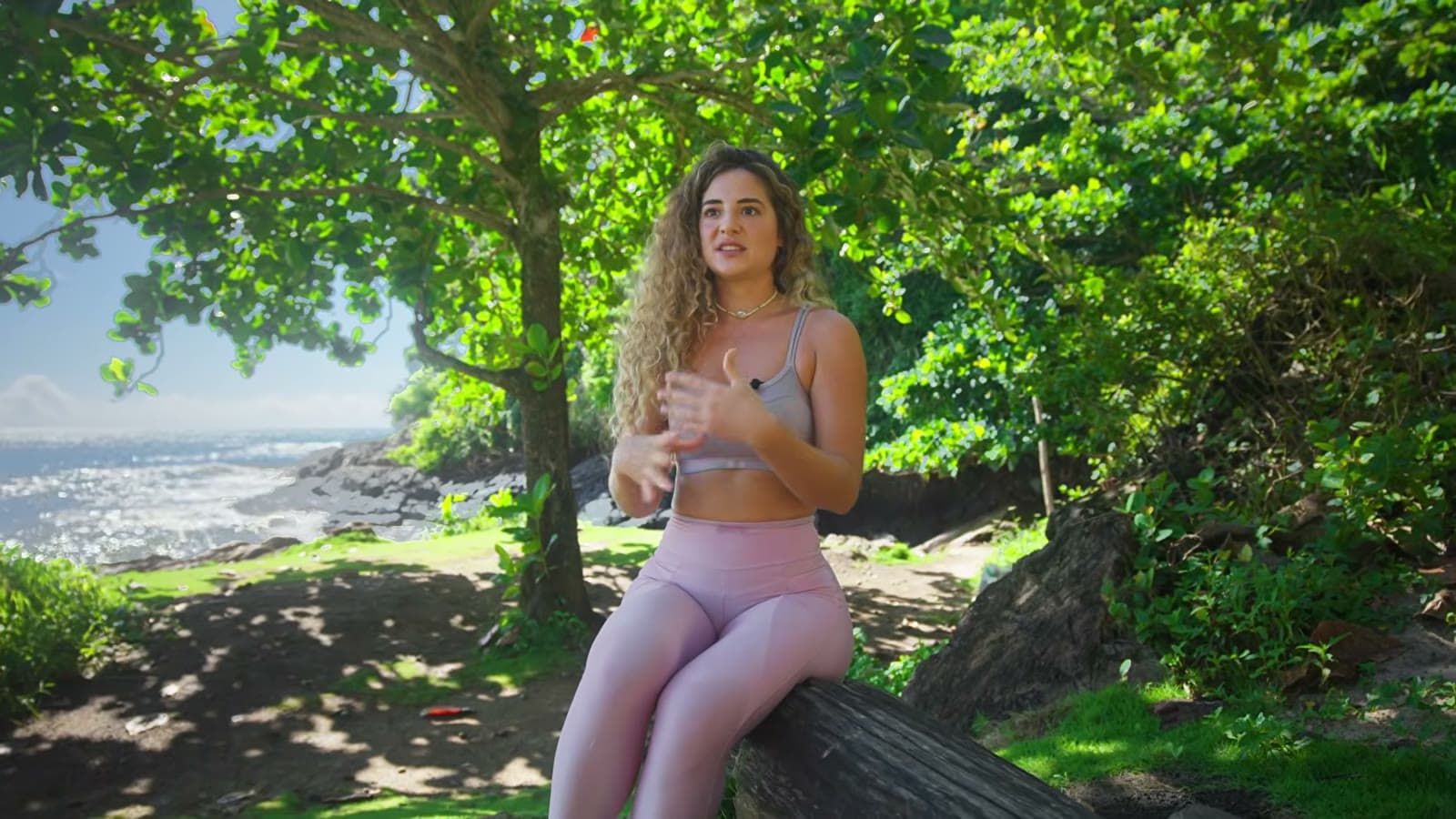
When the universe puts an invitation in front of you, there's a reason it's there.
To get to know the south of Bahia better, there are also the Cumuruxatiba and Arraial d’Ajuda videos on the channel.
That's it for today. If you enjoyed this article, subscribe to get the next ones!
Tags
- # bahia
- # camping
- # campsite
- # beach
- # travel