A conversation with Nicholas, from Orca Dive, about the Open Water course in Búzios: how it works, what it costs, the try dive and what makes a good diver.
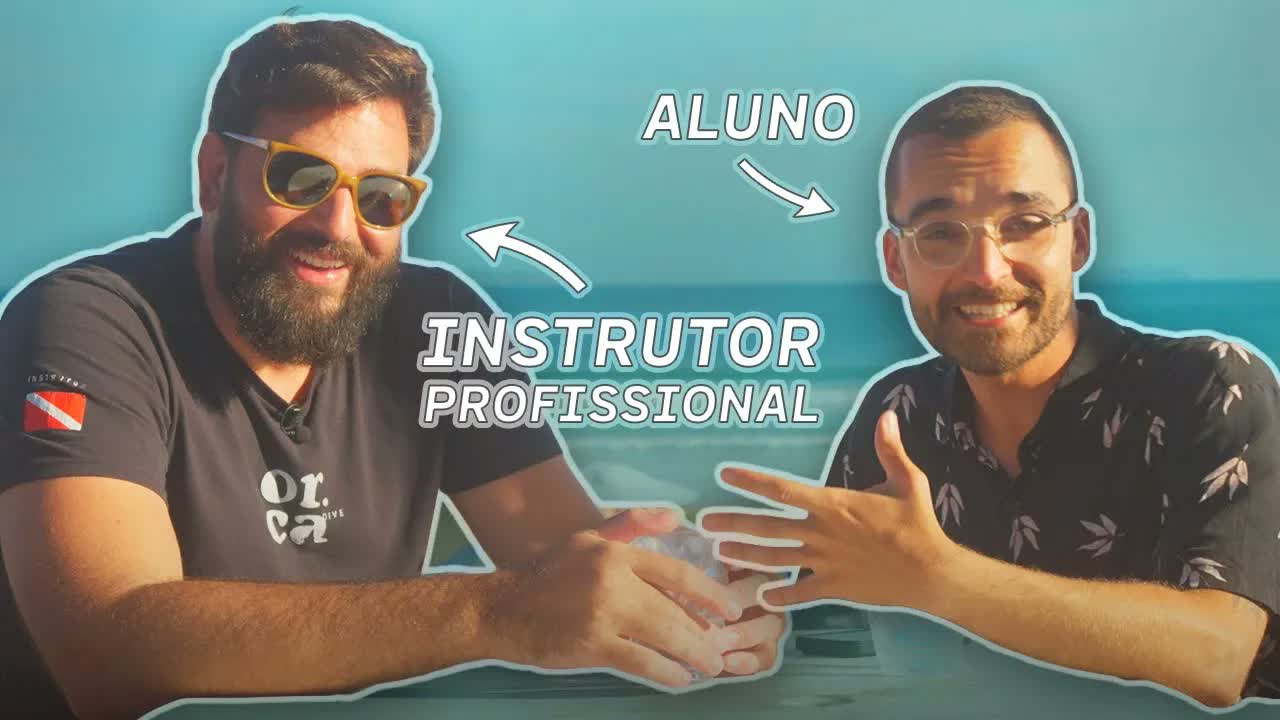
I just did my first diving course, the Open Water Diver, and I wanted to share that experience with you all. To do that, I sat down to talk with Nicholas, my instructor and the founder of Orca Dive, a diving school that covers the whole Região dos Lagos in Rio de Janeiro.
We talked about the prerequisites for taking a course, how much it costs, how the intro dive works and what changes in the head of someone who's starting to discover the underwater world. If you're thinking about taking a diving course, or even about specializing in the field, this is a good place to start.
Watch the full content
Course information
- Course: Open Water Diver, PADI's basic course.
- Duration: at least 4 days, counting theory, pool and sea.
- Sea dives: 4, split over two days.
- What it lets you do: dive down to 18 meters without an instructor's supervision, always in pairs or in a group.
- Minimum age: 10 years old.
- Price of the course with Nicholas: around R$ 2,300 to R$ 2,400, with flexible payment options.
- Boat trip for those already certified: around R$ 300, with two tanks. In places like Fernando de Noronha, it can go up to R$ 1,000.
Where it is
Nicholas and Orca Dive
We talked at Praia de Geribá, in Búzios, between one dive and the next. Nicholas is from Niterói and comes to Cabo Frio and Búzios to teach the courses. He trained as a designer, but since he was little he's had a really strong connection with nature, especially with the sea. Diving in headfirst was a consequence of that passion, and becoming an instructor was the way he found to introduce people to this new world. He says it himself: he's literally addicted to diving. Give us the chance and we'll talk about it all day.
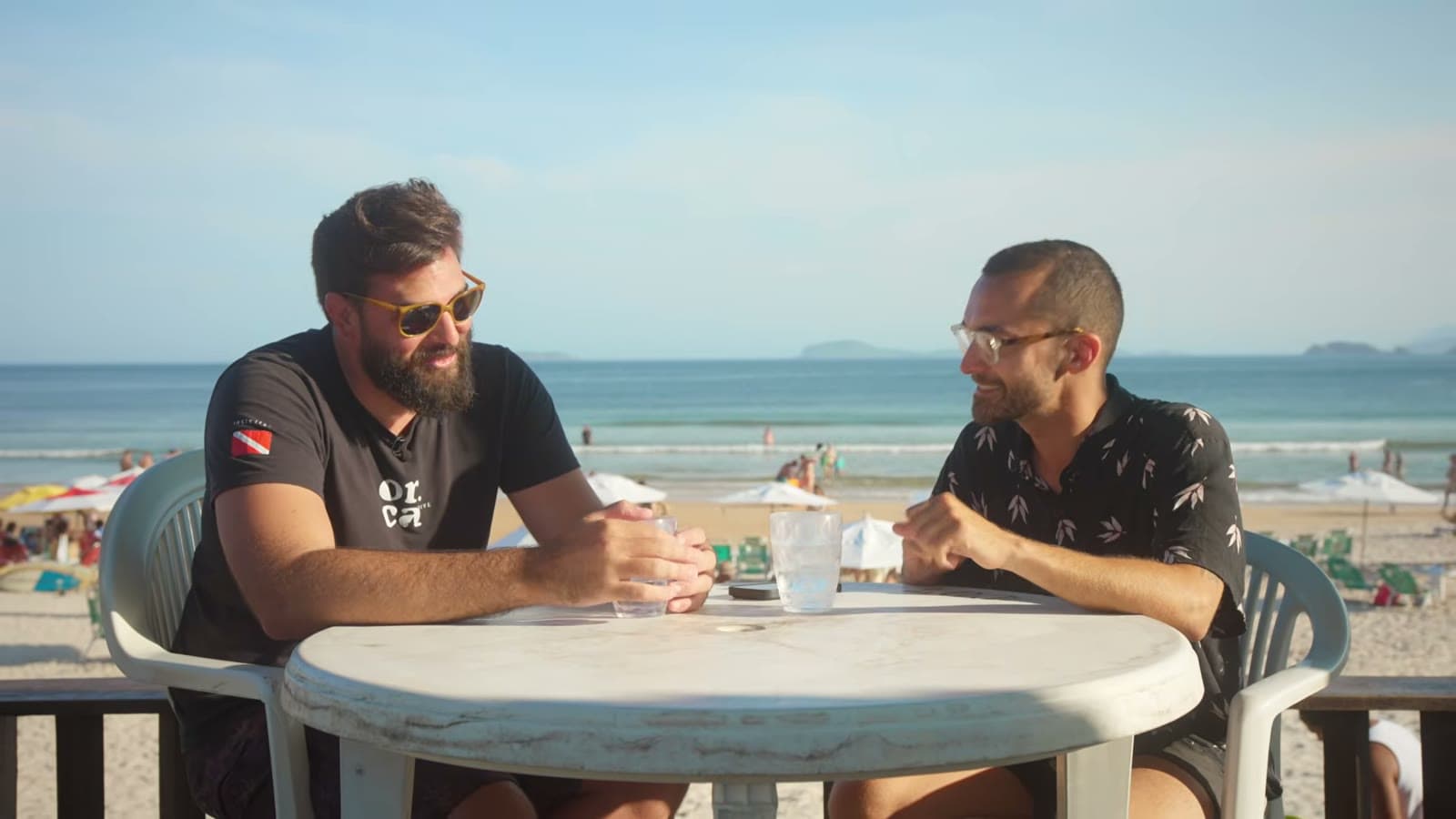
Taking the course with someone passionate about the subject made all the difference. First of all, I felt really safe. The equipment was designed to make things work, and a course done the right way prepares every step to give you that sense of safety. Diving, like it or not, is a serious thing. But, as Nicholas says, it was made to be fun, comfortable and leisurely.
So here's the first tip: if you're going to take a course, look for a good school and an instructor who loves the subject.
How the basic course works
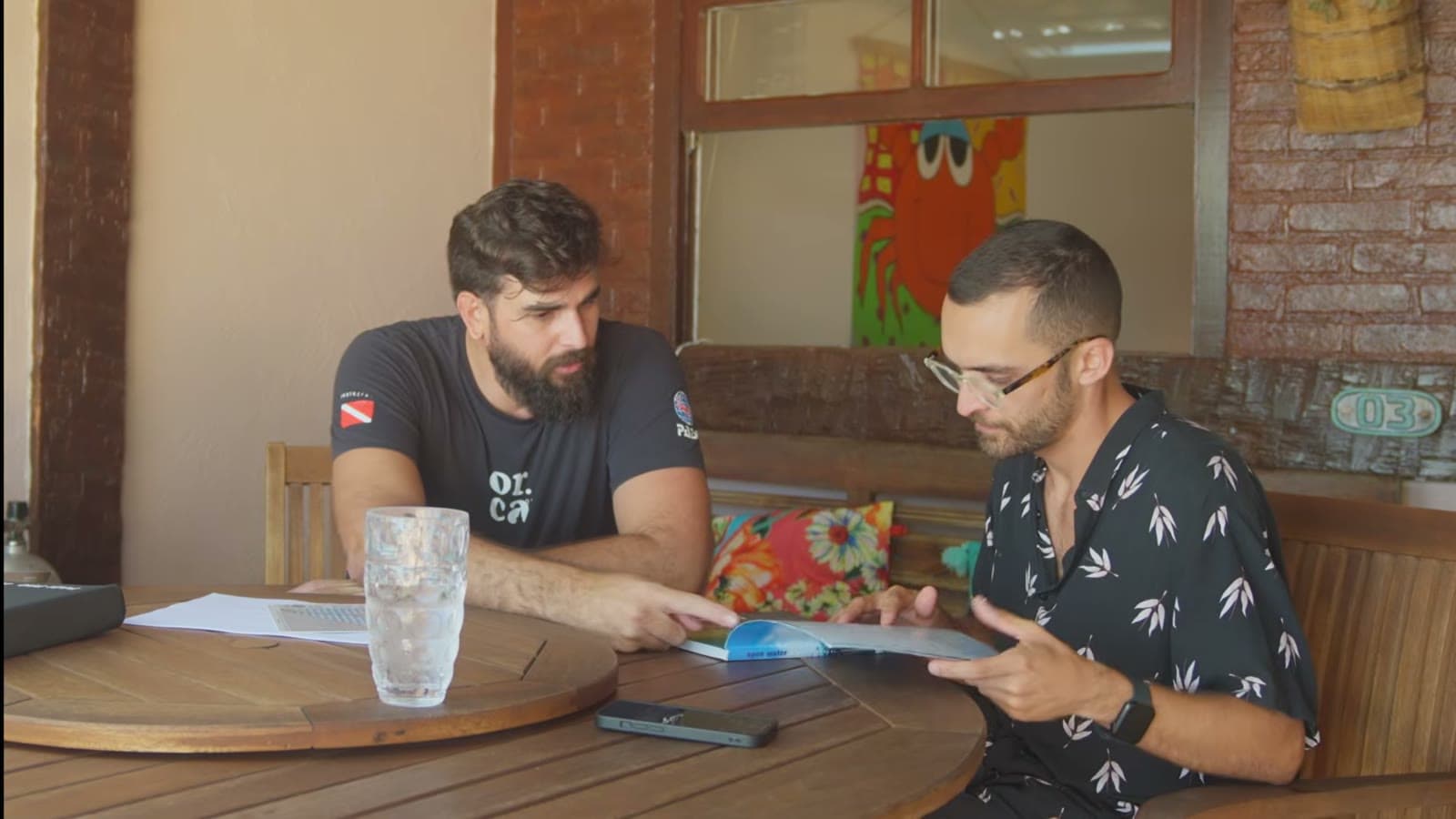
The course has three parts. The theory gives you the foundation and the confidence, especially in the equipment. It can be in person or online: we had an online session so he could walk me through the material.
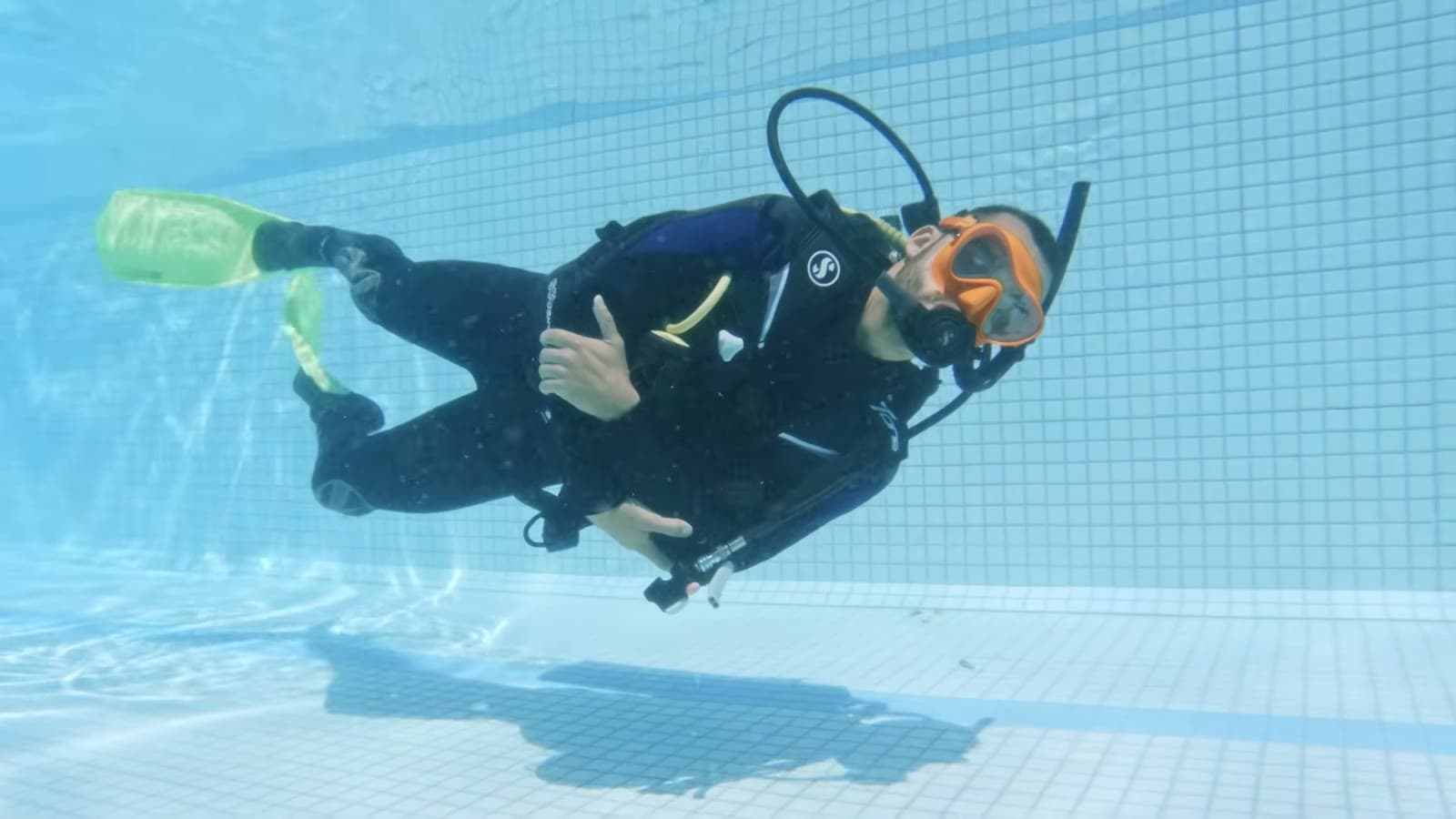
Then comes the pool, which is mandatory before the sea. It gives you confidence in your skills and shows you that yes, you're capable of doing all of that. The pool is a super controlled place, these are the so-called confined water dives: if you stand up, your head is out of the water. That's where, if a bigger challenge shows up, we work on it.
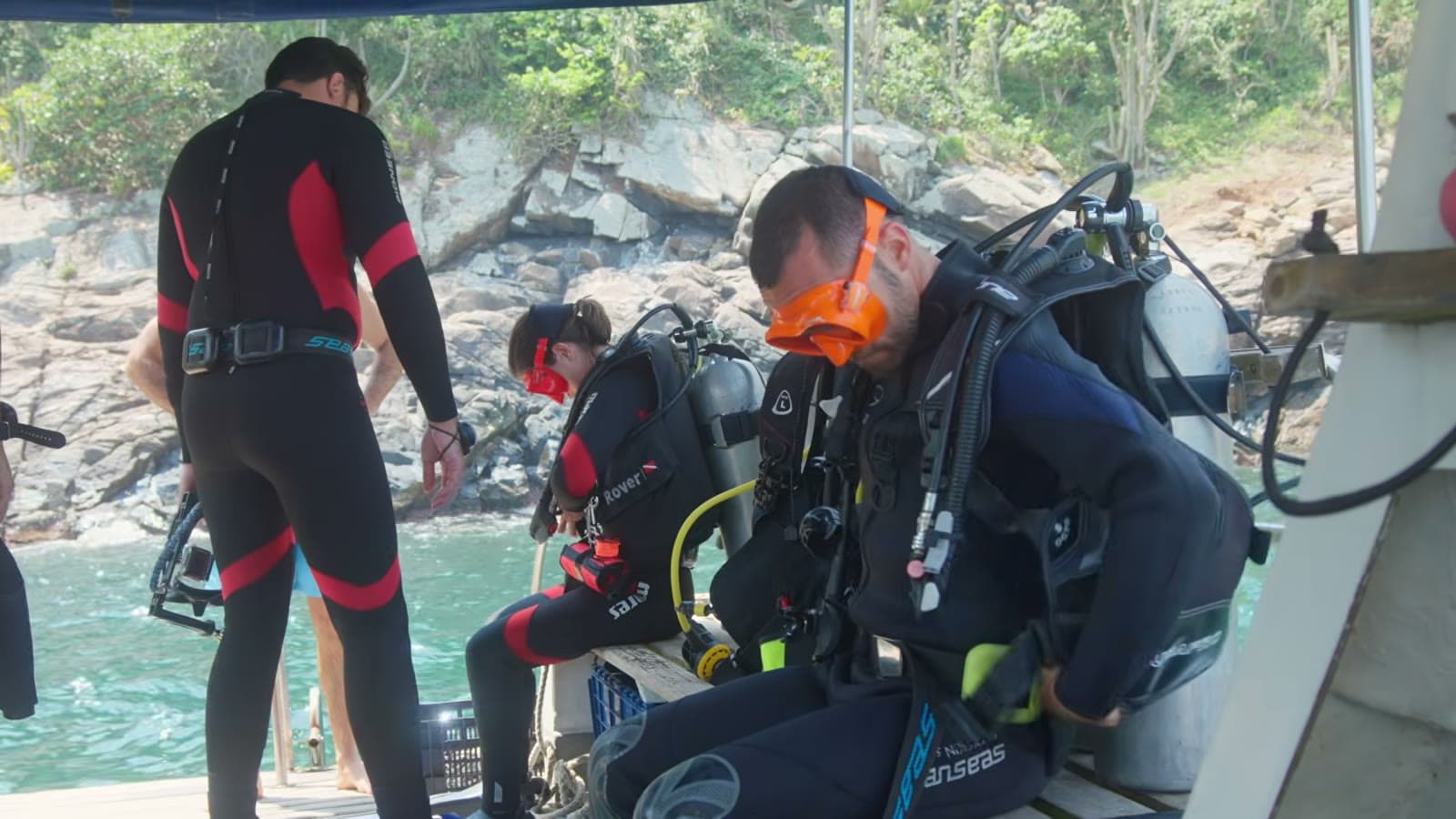
And finally the sea, with four dives split over two days. If you prepared well in the theory and the pool, the sea is pretty much everything you've already done, and it feels super easy. Counting everything, the course takes at least 4 days.
What the Open lets you do
Nicholas is an instructor trained and accredited by PADI, the most respected diving certification agency in Brazil and in the world. If you want to dive anywhere on the planet, the PADI certificate will be accepted. It's an organization with more than 50 years in operation, offering every course there is, including for those who want to build a career and work in the field. This post isn't sponsored by PADI, but I'll leave their link here: padibr.com.br.
The Open Water qualifies you to dive down to a maximum of 18 meters without an instructor's supervision. Without supervision doesn't mean alone: diving is never done alone. We learn that it's always in pairs or in a group, to share the experience and, more than that, for safety and comfort. With the certificate, you can rent equipment in Búzios or in Recife and dive with your group. Even so, the recommendation is always to look for trusted local Dive Centers, because the people who dive there every day know every little corner, every animal and the conditions of that spot.
The Open is also the gateway to a whole path of courses and specialties: wreck diving, night diving, deep diving. And you can go down the professional route, like Nicholas did, training as a Divemaster and then as an instructor.
How much it costs
Diving isn't exactly a cheap activity. Like in any market, you'll find all sorts of prices in all sorts of places, and the important thing is to dig deeper, because sometimes a lower price doesn't deliver everything a course should deliver. Nicholas's basic course runs around R$ 2,300 to R$ 2,400, with flexible payment options.
For those already certified, a dive trip runs around R$ 300, with the boat trip and two tanks included. In places that are really famous for diving, like Fernando de Noronha, you pay up to R$ 1,000.
The intro dive, or Discovery Scuba Diver
You don't need to start with the course. A really common practice is to do an intro dive first, like I did somewhere else, and only then go for the course. The name the market adopted is "baptism", but the right name is Discovery Scuba Diver, the DSD. You don't need any training: there's a little class beforehand, you learn the basic movements and you always dive with an instructor, under very direct supervision.
And here's a warning from Nicholas. Lots of people go do the intro dive and run into operators focused on numbers: putting a bunch of people on the boat, a bunch of people in the water. Sometimes a difficulty comes up, like equalization, that pressure in your ears, the person doesn't know what to do, comes out with a totally negative view of diving and never looks for a course again. So, once again: look for serious Dive Centers and operations.
Who diving is for
The diving course is for anyone willing to discover a completely new world. Our planet should be called planet water, as Nicholas says, and down there you meet animals and environments you'd never see up here. Being comfortable in the water helps a lot, but if you aren't, that's no problem either: you gain it through confidence in the course, the equipment and the skills.
The minimum age for the basic course is 10, the so-called Junior. Beforehand, you fill out a medical form, and depending on what's in it, you may need medical clearance. Other than that, all you need is the will to have fun and to discover.
Touch as little as possible
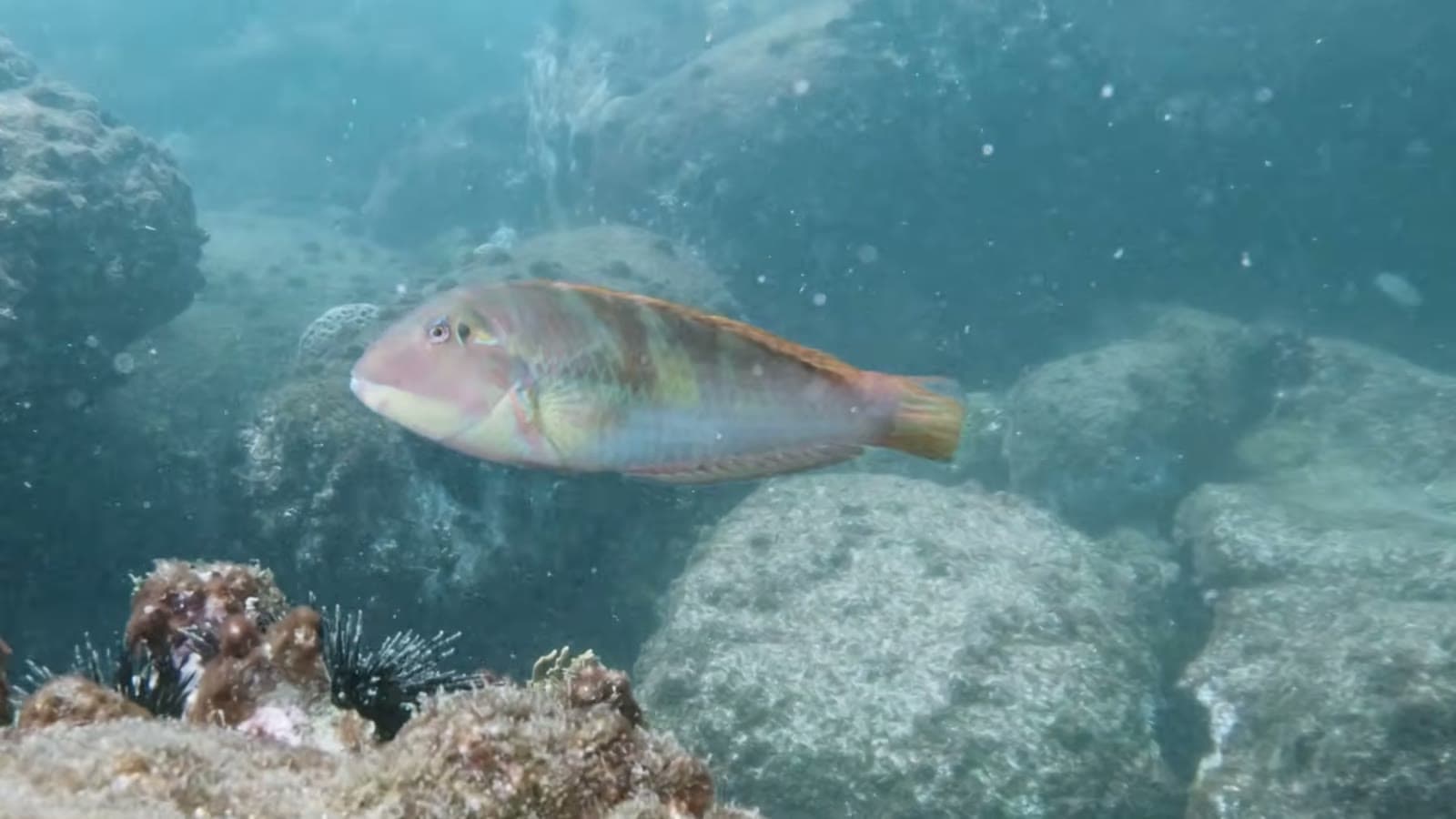
When we're in the water, we feel a direct connection with nature. We're in an element that isn't ours, with equipment that lets us be there living and taking all of it in. Seeing a fish, a sea turtle, a moray eel, a dolphin. Nicholas even gets goosebumps talking about it.
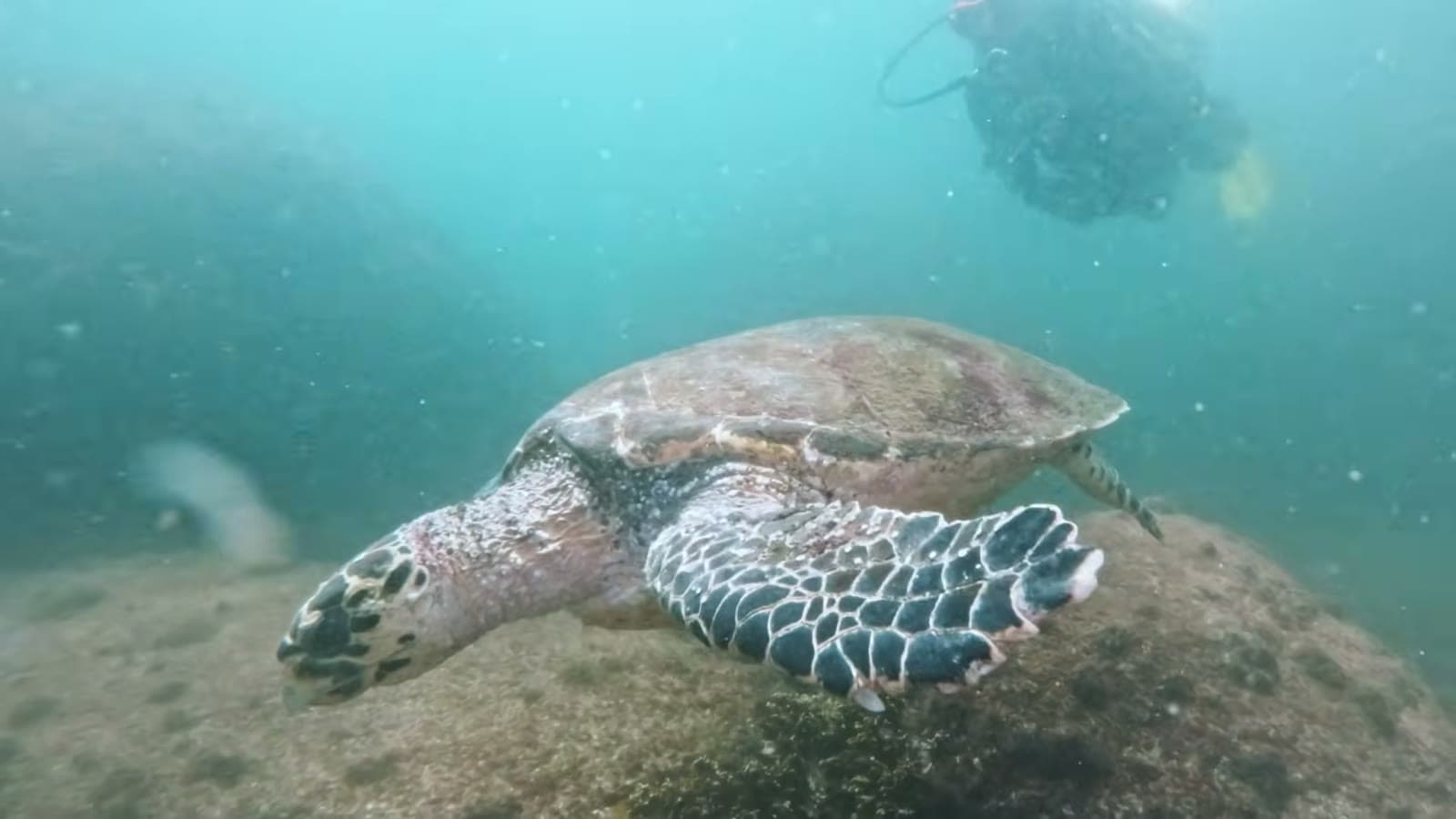
Sometimes a turtle will swim right in front of you and you'll have a huge urge to pet it. But diving is contemplative: we touch as little as possible. If you need to touch a rock, it's with a fingertip, just to push yourself off. That's why buoyancy needs fine-tuning, so you never end up bumping into the bottom. The bottom is sensitive: a coral takes years to grow to that size and can break through carelessness, or through the ignorance of someone who wants to take a little shell or a piece of coral home. That should never be done.
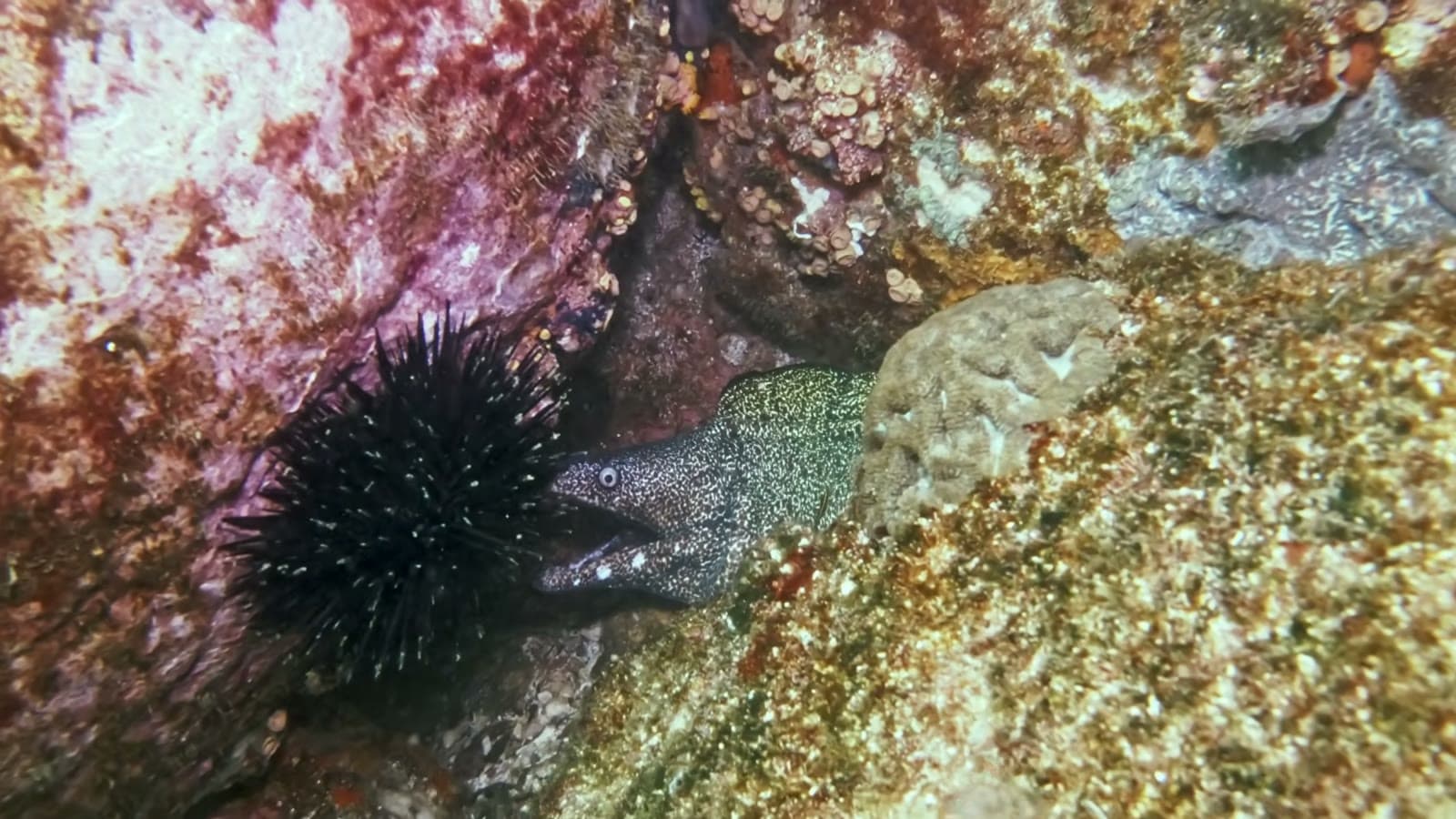
Touching animals is also dangerous for whoever does the touching. Sharks don't attack of their own free will, but there are fish and living creatures with defense mechanisms, a bite, a sting, almost always because the diver didn't respect the animal's space.
And there's the trash. Depending on the dive spot, we see a lot of trash, and sometimes the dive turns into picking it up and doing our part. But carefully: a lot of the trash on the bottom already has life attached to it, and the damage of removing it can be greater than leaving it. That awareness applies to life, not just underwater.
The pool and the operators
The pool class was at Pousada Pontal da Ferradura, in Búzios, a guesthouse surrounded by greenery with a semi-Olympic pool, with a good depth to test all the skills the way it should be done. Thanks, André.

The sea part was with operators who are friends of Nicholas: in Cabo Frio we went out with Cassiano's Alpha Divers, and in Búzios with Paula's Búzios Divers. New equipment, qualified guides, well-kept boats.
The operation in Búzios works like this: before the students arrive, the team has already set aside all the equipment at the base. The boat leaves around 8 in the morning and usually goes to Ilha de Âncora or to Laje do Cavalo Marinho, in João Fernandes, and comes back around 1 in the afternoon. In the summer there are two trips a day, and sometimes night dives. They serve every level, from intro dives to certified divers.
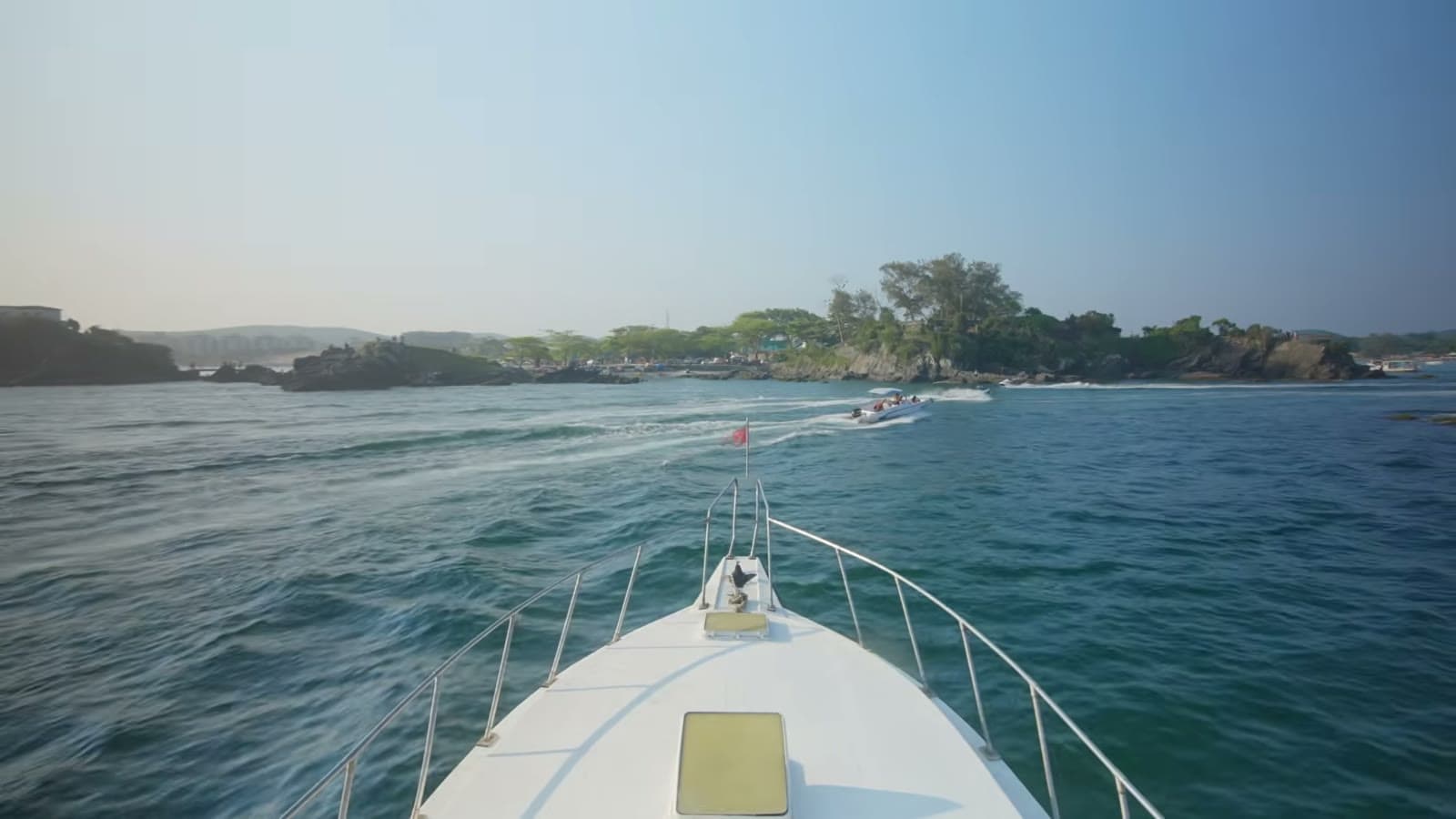
The Búzios Divers team summed it up well: diving is quality of life, it's working with what you love and having a different experience every day, even diving in the same place, because marine life and water conditions change all the time. When you get in the water, your problems stay out here, and you enter an almost meditative silence. Some customers come out of the water crying with happiness and book the course that same day.
What makes a good diver
I asked Nicholas what sets an amateur diver apart from a good diver. The answer: buoyancy control. I didn't get it at first either. Imagine you're 10 meters deep, with rocks, sand and other divers around you: you need to know how to dodge. The idea is to reach that balance where you're neither floating up nor sinking, and you're not fighting with the equipment.
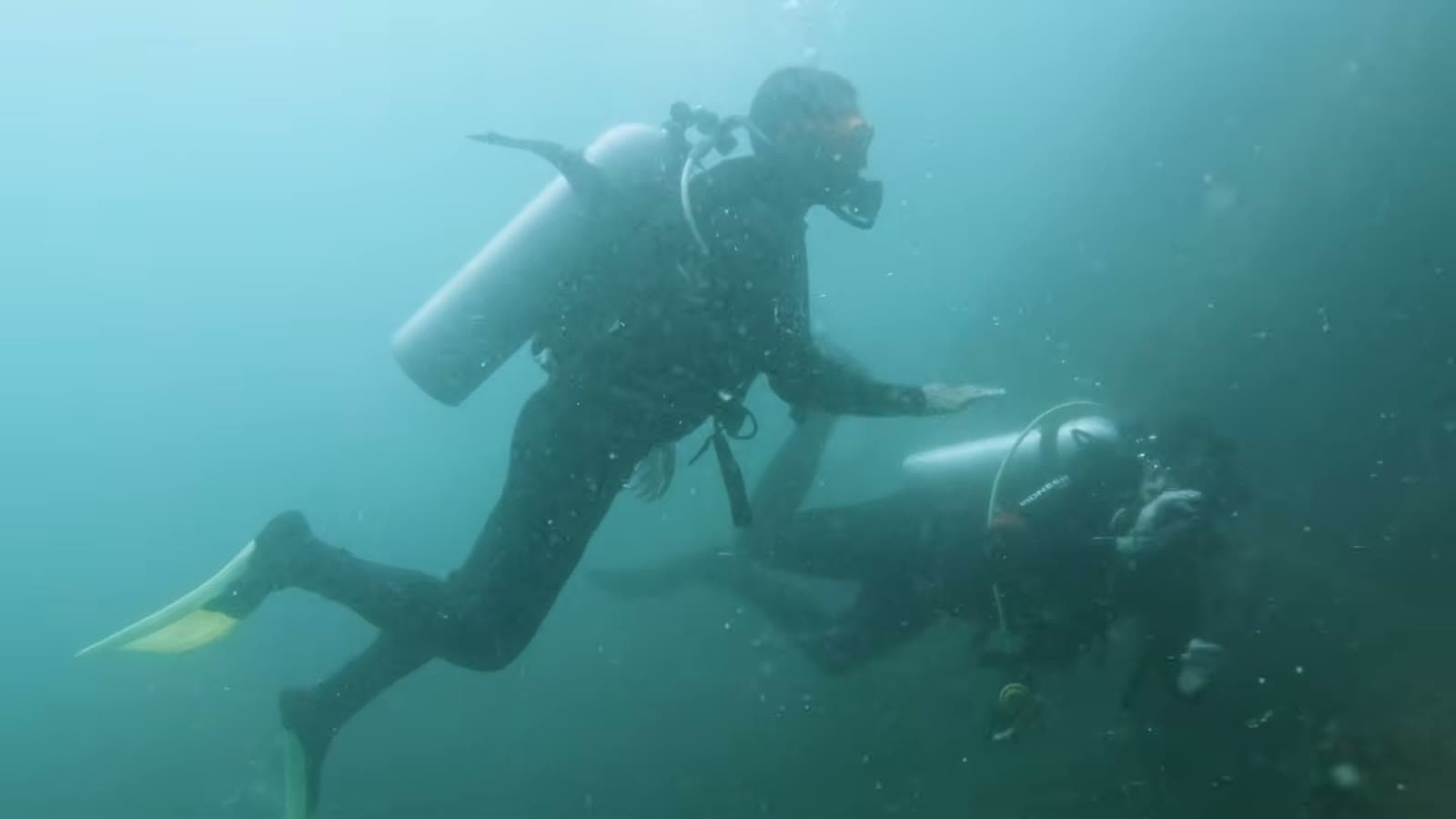
Diving has to be relaxing and fun. If it's anything other than that, something's wrong. It's about making the least effort possible, without hurrying, because nobody's racing. His tip: focus on your buoyancy and your comfort in the water. Down there everything is really slow, almost in slow motion. Even your perception changes: with light refracting in the water, things look bigger and closer than they are. There's a lot of physics involved, density, pressure, volume, good things to take into life too.
Graduation
At the end, Nicholas said I'd only had one contact with diving before, the intro dive, and that on our last dive, at Âncora, I was already super relaxed, with my buoyancy dialed in. I clearly felt that progress from one dive to the next, the ease in making the movements and getting around. The course standards were made for exactly that.
The day before, Tati, Nicholas's wife and his partner at Orca, came from Niterói to Cabo Frio just to dive with us. That dive gave us footage with lots of turtles and lots of colorful fish.
Of course I'm a total beginner. But it was really cool, and I recommend it. If you want to take the course, talk to Nicholas through Orca Dive and tell him Nando sent you.
Tags
- # rio de janeiro
- # búzios
- # scuba diving
- # course
- # travel